Source Waterproof Radio Tactical Handset for Military, Medical, Industry
Compare 30 waterproof radio tactical handset options featuring IP68 ratings, dynamic microphones, and compatibility with man-pack radio equipment. Buyers can evaluate wired models with noise-canceling features for military, medical, and industrial applications; compare the available evidence and request quotations based on your requirements.
Key considerations
Products List


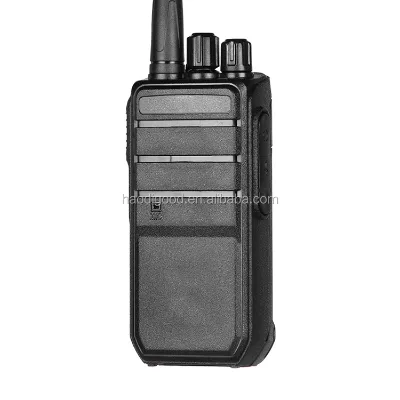


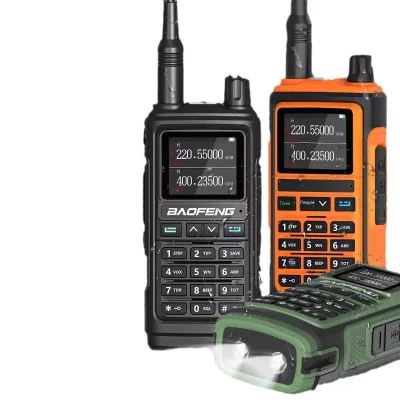


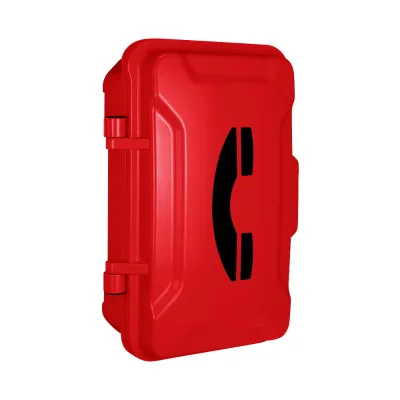


Comprehensive Sourcing Guide
Waterproof Radio Tactical Handset Sourcing Guide
Procuring a waterproof radio tactical handset requires balancing rugged environmental resilience with precise communication clarity for mission-critical operations. Buyers must prioritize devices that maintain signal integrity and physical durability under extreme conditions, ensuring that the equipment can withstand harsh field environments without compromising audio performance. The selection process involves evaluating how well the handset integrates with existing radio systems, particularly those requiring specific military-grade compatibility or specialized connector types.
This guide focuses on sourcing durable, high-performance handsets that meet stringent operational demands. It addresses key technical specifications, compliance requirements, and commercial considerations necessary for successful procurement. By understanding the interplay between environmental ratings, acoustic features, and system compatibility, procurement teams can make informed decisions that enhance operational readiness and reduce the risk of equipment failure in critical scenarios.
Product Scope and Observed Listing Signals
The market for tactical handsets includes models designed for man-pack radio equipment, featuring robust construction to withstand demanding field conditions. Observed listings indicate a wide range of options, with prices varying significantly based on features and build quality. Buyers should note that minimum order quantities can range from single units to larger batches, allowing for flexible procurement strategies depending on organizational needs and budget constraints.
Key product attributes often include high environmental protection ratings, such as IP68, which ensures resistance to dust and water immersion. These handsets are typically wired, utilizing specific connector types like U229 or U329 to ensure secure connections with compatible radios. Additionally, many models offer customization options, allowing buyers to tailor features such as color, keypad layout, or specific acoustic properties to suit particular operational requirements or user preferences.
Technical Specifications to Verify
When evaluating technical specifications, buyers must verify the microphone and speaker impedance to ensure optimal audio performance. For instance, some models feature a 150-ohm dynamic, noise-canceling microphone paired with a 1000-ohm speaker, which helps maintain clear communication in noisy environments. It is crucial to confirm that the handset is compatible with specific radio models, such as the AN/PRC-70 or AN/PRC-77, to ensure seamless integration and functionality within existing communication networks.
Further verification should include the physical design and durability features. Look for handsets that are vandal-resistant, feature a sturdy keypad, and offer louder speaker output for enhanced audibility. The installation method, whether wall-mounted or portable, and the presence of accessories like telephone cords or headsets, should also be assessed. Additionally, check for the absence of unnecessary features like touch screens or displays if a simpler, more robust interface is preferred for tactical use.
Compliance and Safety Documentation
Compliance with international standards is essential for ensuring the safety and reliability of tactical handsets. Buyers should verify that products hold relevant certifications, such as ISO and CE, which indicate adherence to quality management and safety regulations. Some listings may also include RoHS certification, ensuring that the device is free from hazardous substances, which is particularly important for environmental and health considerations in procurement processes.
Documentation should also confirm the product's origin and manufacturing standards. Handsets produced in regions like Shenzhen, China, may offer competitive pricing but require careful vetting to ensure consistent quality. Buyers should request detailed technical datasheets and test reports that validate the IP68 waterproof rating and other environmental claims. Ensuring that the product meets specific military or industrial standards, such as those indicated by NSN codes, can further guarantee its suitability for tactical applications.
Cost Drivers and Commercial Terms
Several factors influence the cost of tactical handsets, including the materials used, such as aluminum alloy for durability, and the complexity of the hardware technology, such as digital switches. Customization options, such as specific colors or tailored features, can also impact pricing. Buyers should consider the total cost of ownership, including warranty coverage, which is often provided for one year, and the potential need for additional accessories like telephone headsets or cords.
Commercial terms, including minimum order quantities and lead times, vary among suppliers. While some listings indicate an MOQ of just one unit, others may require larger orders, affecting inventory management and cash flow. It is important to negotiate clear terms regarding shipping, packaging, and after-sales support. Understanding these commercial dynamics helps buyers optimize their procurement strategy and avoid unexpected costs associated with bulk purchases or expedited shipping requirements.
Supplier Qualification and Quality Control
Supplier qualification is a critical step in ensuring the reliability of tactical handsets. Buyers should assess suppliers based on their production capabilities, quality control processes, and ability to meet specific customization requests. Verifying the supplier's history and reputation in the industry can provide insights into their consistency and reliability. Additionally, checking for certifications and compliance with international standards helps ensure that the products meet required safety and quality benchmarks.
Quality control measures should include rigorous testing of the handsets' environmental ratings, acoustic performance, and durability. Buyers should request samples for evaluation before committing to large orders. It is also important to establish clear communication channels with suppliers to address any issues promptly. Implementing a robust quality assurance process, including regular inspections and audits, can help maintain high standards and ensure that the handsets perform as expected in tactical environments.
Long-Term Procurement Checks
Long-term procurement success depends on establishing ongoing relationships with reliable suppliers and continuously monitoring product performance. Buyers should track the durability and reliability of the handsets in field conditions, noting any issues related to waterproofing, audio clarity, or physical damage. Regular feedback from end-users can provide valuable insights into the handsets' suitability for specific tactical applications and highlight areas for improvement.
Additionally, staying informed about advancements in technology and industry standards is crucial for maintaining a competitive edge. Buyers should periodically review their procurement strategies to ensure they align with evolving operational needs and regulatory requirements. Building a diverse supplier base can mitigate risks associated with supply chain disruptions and ensure access to high-quality products. By maintaining a proactive approach to procurement, organizations can ensure their tactical communication equipment remains effective and reliable over time.
FAQs
What certifications do the waterproof radio tactical handsets have?
The handsets carry ISO, CE, and RoHS certifications to ensure compliance with international safety and environmental standards. These certifications verify that the products meet rigorous quality benchmarks for military and industrial applications while maintaining operational reliability in harsh conditions.
Can the device operate in extreme weather environments?
Yes, the device features an IP68 environmental rating, making it fully waterproof and dustproof for extreme conditions. This rugged design ensures continuous operation in wet or dusty tactical scenarios without compromising the internal electronics or microphone performance during critical communications.
Which radios are compatible with this tactical handset?
This handset is compatible with specific radio models including the AN/PRC-70 and AN/PRC-77 series. It also serves as an interchangeable unit for the H-250/U and H-189/Gr models, ensuring seamless integration into existing man-pack radio equipment setups for field operations.
How is the microphone designed for noise cancellation?
The unit utilizes a 150 Ohm dynamic microphone specifically engineered for noise-canceling capabilities. This design filters out background interference effectively, ensuring clear voice transmission even in loud tactical environments where standard microphones might fail to capture the operator's commands accurately.
What is the expected lifespan of the push-to-talk switch?
The mechanical push-to-talk switch is rated for 2,000,000 life cycles to ensure long-term durability. This high endurance rating supports intensive daily usage in demanding field conditions, reducing the need for frequent replacements and maintaining consistent performance over extended operational periods.
Is customization available for the tactical handset specifications?
Customization is available to meet specific procurement requirements for color, model, or functional adjustments. Buyers can request tailored solutions while the standard product remains new and includes accessories like telephone cords and headsets for immediate deployment in various commercial or industrial settings.